
Are we raising children and teens dependent on approval?
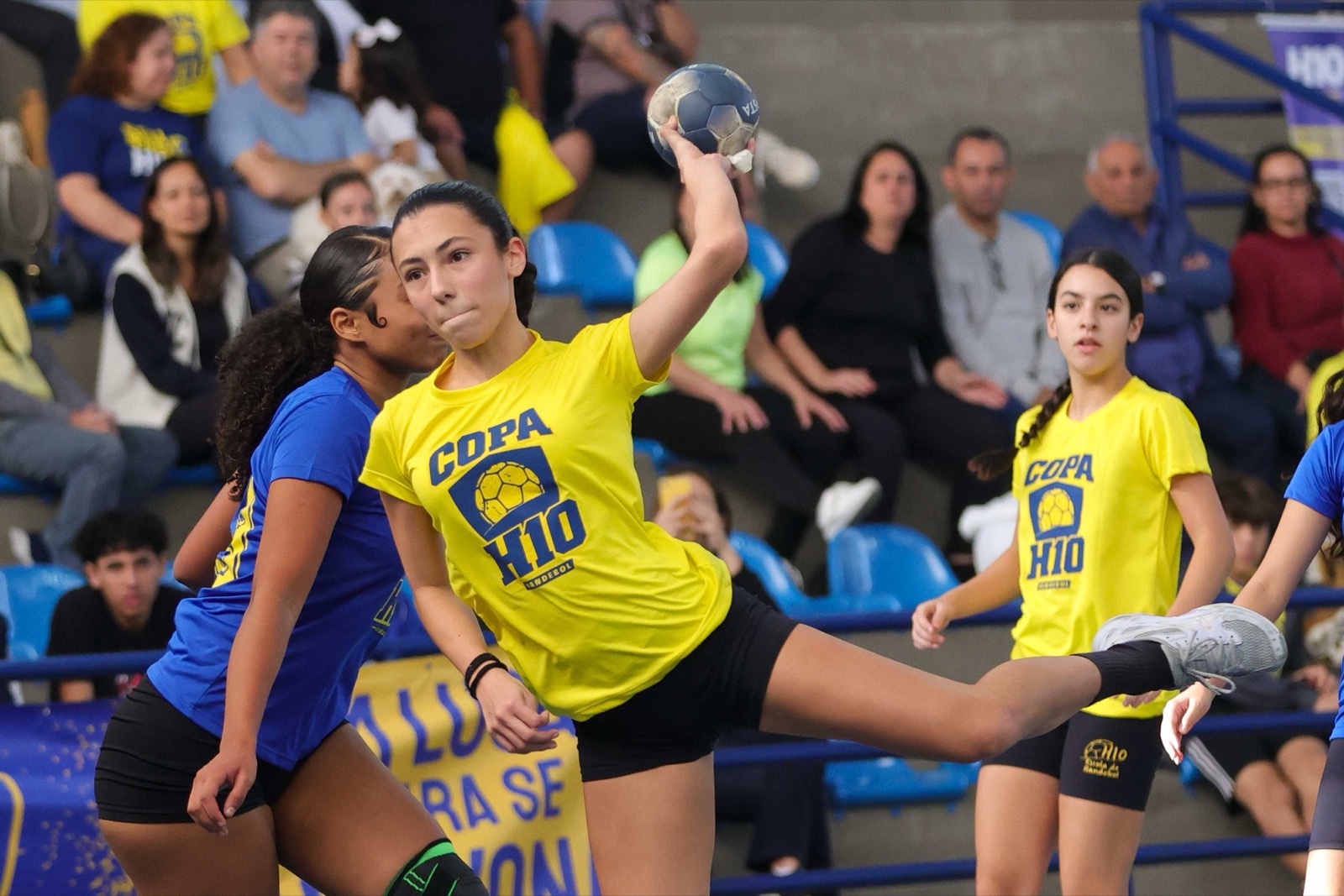
There is an increasingly common scene in youth sport: the game ends, the child leaves the court and, before even drinking water, looks for someone in the stands. They don't want to know if they improved. They don't want to know if they made good decisions. They don't want to know if they had fun. They want to know: "Did you see me?". And the hidden question is another: "Was I enough?".
The generation afraid of making mistakes
We have never had young people so connected. We have never had young people so stimulated. And, paradoxically, we have never had young people so anxious. Studies like those of Jean Twenge point to a consistent rise in anxiety among teenagers in recent decades. Jonathan Haidt discusses how overprotection and the culture of avoiding discomfort have made young people less tolerant of frustration.
And in sport this shows up very clearly in children and teens who are afraid to make mistakes, play not to fail, avoid trying something new, despair when they are substituted and measure their worth by playing time. But the most important question is: where does this come from?
The cheering parent. The coaching parent.
Without realizing it, many adults have turned youth sport into an environment of validation, with demands for early performance, questions about minutes played, judging coaches by the scoreboard and comparing their kids with others. The problem is not loving your child. The problem is transferring to them the adult anxiety for results.
What science tells us about motivation
Self-Determination Theory, by Deci and Ryan, shows that lasting motivation is born from three pillars: autonomy, perceived competence and belonging. When the child feels they play only to please, motivation stops being internal and becomes external validation. And motivation based only on approval is fragile: it lasts while there is applause. When there is criticism, it collapses.
When the school loses its role
This is giving room to another worrying phenomenon, in which schools become pedagogical hostages to families' wishes and start to:
- Adjust the methodology to please;
- Avoid educational confrontations;
- Prioritize results to keep enrollments;
- Give in to the "my child needs to play more" culture.
When this happens, the school stops taking part in qualitative education and merely meets expectations. And education cannot be outsourced to collective anxiety.
In short, protecting the process is protecting the child. Because immediate results shape statistics. A well-conducted process shapes character: resilient, autonomous and happy children and teens.
Have a great week, everyone! Long live sport and good sporting environments!