Competing means facing what is real
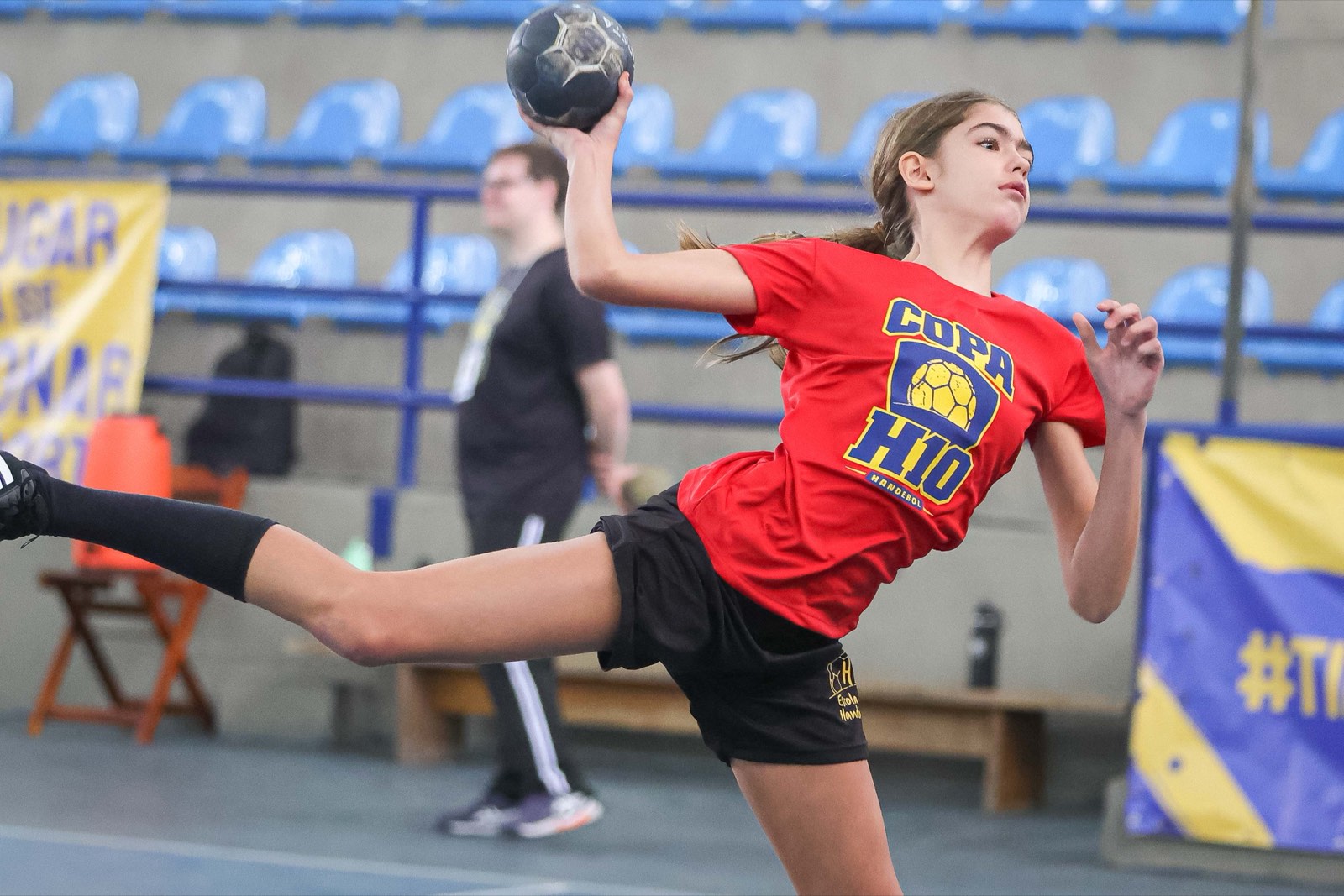
Competition is one of the richest environments for emotional learning there is. In it, the child experiences frustration, expectation, pressure, insecurity, achievement and disappointment — all in a safe, mediated and educational space. Removing competition from childhood does not eliminate these emotions. It only postpones the encounter with them. And usually, the late encounter is more painful.
Angela Duckworth (Grit) and Anders Ericsson (deliberate practice) have already shown: excellence is not born from the absence of pressure, but from progressive exposure to meaningful challenges. Competition is not the opposite of development — it is part of it.
The problem was never competing. The problem is how adults conduct competition. When the focus becomes winning at any cost, humiliating opponents, punishing mistakes or tying personal worth to the scoreboard, competition gets distorted. But that is not competition's fault. It is the fault of how it is led.
Today we see young people who cannot tolerate frustration, give up at the first difficulty, avoid challenges and fear evaluation. Many grew up without losing, without competing, without dealing with legitimate pressure. But life offers no "easy mode" button. Sport can be one of the few controlled environments where we learn this early.
And the market confirms it: international research shows a correlation between competitive sports experience and the development of leadership, decision-making under pressure, teamwork, emotional management and resilience. It is no coincidence that many corporate leaders have an athletic background.
At H10, we don't avoid competition — we educate through it. Here, the scoreboard is a tool, not an identity. Winning is a consequence, not a purpose.
The question that remains: are we preparing our children for a world without frustration, or for the real world? Because in the end, sport does not only teach how to win games. It teaches how to face life.